The narrative of a nation irreparably torn asunder has become a staple of contemporary discourse. From the 24-hour news cycle to the echo chambers of social media, the prevailing sentiment suggests that citizens exist in two entirely different realities, separated by a chasm of values and visions for the future. However, a closer examination of the social fabric reveals a more complex and perhaps more optimistic picture. Beneath the surface of performative partisan conflict lies a persistent, if often overlooked, civic consensus that continues to bind communities together.
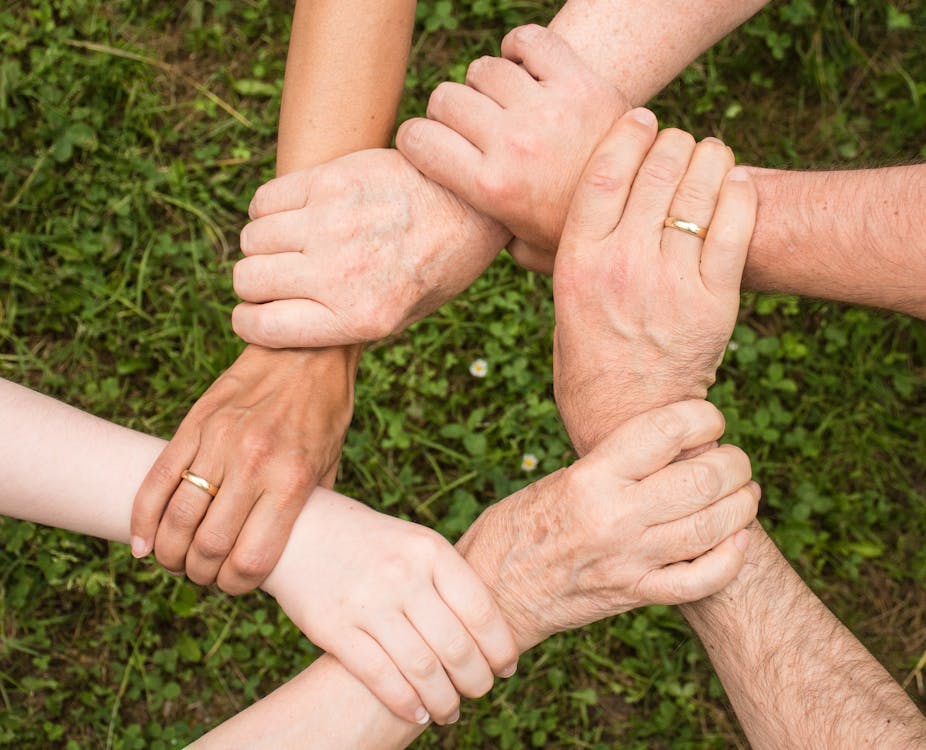
When we shift our focus away from the high-stakes theater of national politics, we find that the daily lives of individuals are frequently defined by cooperation rather than conflict. In local town halls, school boards, and neighborhood associations, people of varying political persuasions work alongside one another to address tangible concerns. Whether it is improving infrastructure, ensuring public safety, or supporting local businesses, the practicalities of communal living often necessitate a degree of pragmatism that national debates lack. In these spaces, the ideological rigidities of the political arena give way to the shared goal of maintaining a functional and thriving environment for one’s family and neighbors.
This localized cooperation is grounded in a set of foundational ideals that, while interpreted differently, remain central to the collective identity. Concepts such as individual liberty, equality of opportunity, and the importance of the rule of law are not the exclusive domain of any one faction. While there are profound disagreements on how to achieve these ideals or how to balance them when they conflict, the shared lexicon suggests a common framework. The disagreement is often not about the destination, but about the map used to get there. This distinction is crucial; it suggests that the divide is not one of fundamental human values, but of strategic and policy-driven differences.
Furthermore, the role of civic institutions—libraries, community centers, and volunteer organizations—cannot be overstated. These entities act as the connective tissue of society, providing platforms for interaction that transcend political labeling. By fostering personal relationships and shared experiences, these institutions humanize those who might otherwise be viewed as ideological adversaries. When individuals engage with one another as coaches, volunteers, or fellow residents, the caricatures created by political rhetoric begin to dissolve. These interactions remind us that the people living across the street or down the road share many of the same anxieties and aspirations.
Ultimately, the resilience of a society depends not on the absence of conflict, but on the presence of a shared commitment to the process of living together. While the noise of polarization is loud, the quiet work of civic engagement continues unabated. Recognizing this underlying consensus does not require ignoring genuine systemic issues or deep-seated grievances. Instead, it offers a more nuanced understanding of the national character—one that acknowledges the friction of a diverse democracy while celebrating the enduring ties that prevent it from unraveling. By centering our perspective on these points of contact, we can begin to see a path toward a more cohesive future.
No comments:
Post a Comment