The intersection of financial markets and legislative action represents one of the most complex landscapes in modern society. Understanding how capital flows through the corridors of power is no longer just a concern for Wall Street analysts; it has become a fundamental necessity for any citizen seeking to grasp the mechanics of contemporary governance. The relationship between economic policy and political maneuvering creates a feedback loop that dictates everything from the price of consumer goods to the long-term stability of the national infrastructure.
Central to this dynamic is the concept of economic literacy as a tool for civic engagement. When the public understands the nuances of fiscal policy, the veil of technical jargon often used to obscure special interests begins to lift. Investigative efforts that bridge the gap between high finance and everyday life are essential. They reveal how a single tax provision or a subtle shift in regulatory oversight can have a cascading effect, benefiting a narrow segment of the corporate world while reshuffling the financial burdens placed upon the middle class.
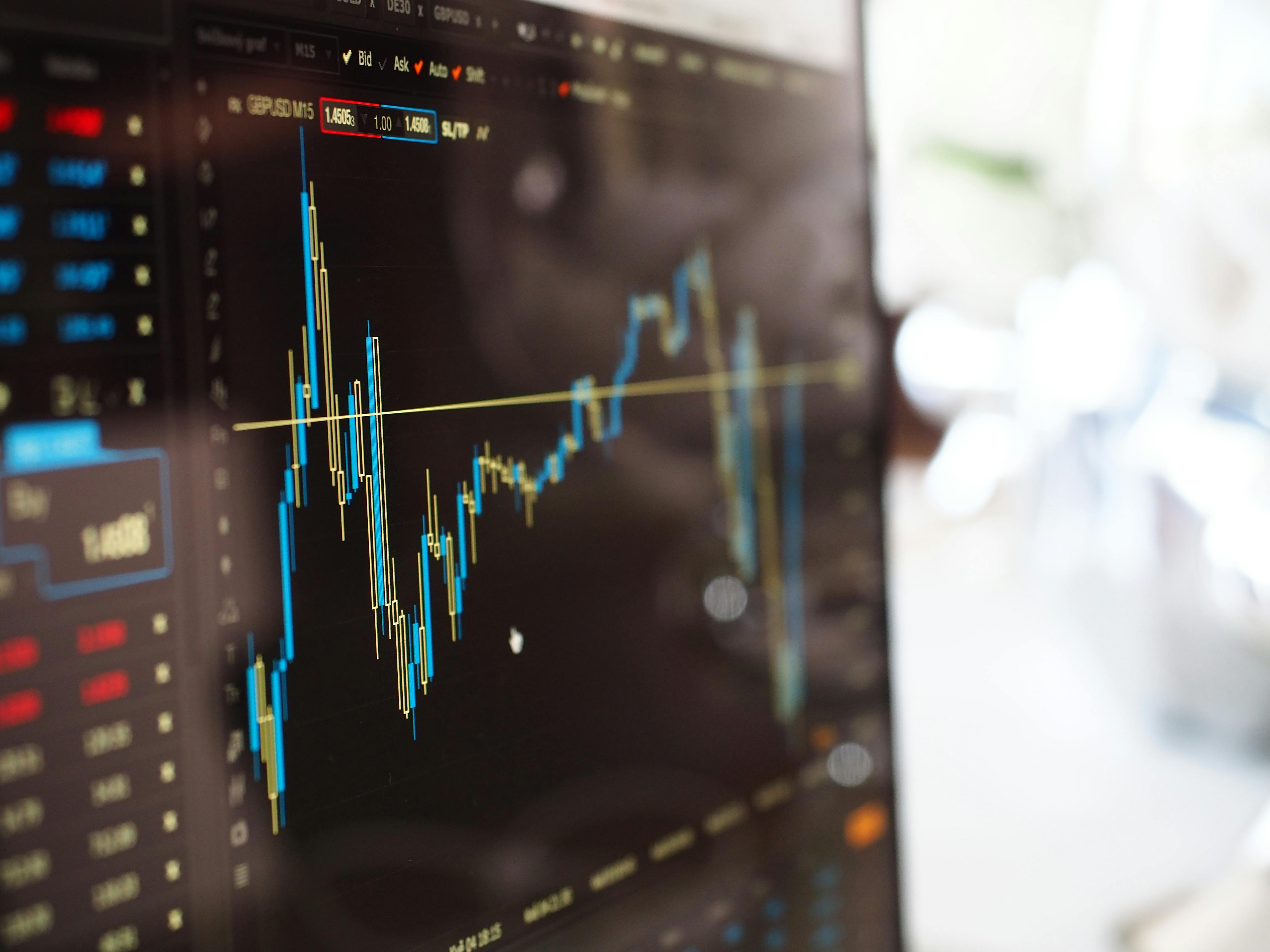
The influence of lobbying and political contributions remains a defining characteristic of this landscape. While the right to petition the government is a protected standard, the scale at which modern capital is deployed to influence legislation raises significant questions about the balance of power. Corporate entities often possess resources that far outstrip the collective voice of the average voter, leading to a system where policy outcomes can appear more aligned with quarterly earnings reports than with the broader public good. This concentration of influence often manifests in the "revolving door" phenomenon, where individuals transition between regulatory agencies and the industries they were once tasked with overseeing.
Furthermore, the globalized nature of modern finance adds another layer of complexity. Decisions made in international banking centers or by multinational conglomerates can force the hand of domestic policymakers, creating a tension between national sovereignty and global economic pressures. A nuanced view of these issues recognizes that money is not just a medium of exchange, but a form of political speech that carries immense weight. Dissecting these ties requires a steady focus on transparency, ensuring that the motivations behind legislative shifts are made clear to those they will ultimately affect.
Ultimately, the health of a democracy is inextricably linked to the fairness of its economic systems. By fostering a deeper public dialogue regarding the synthesis of money and power, society can better navigate the challenges of wealth inequality and institutional inertia. The goal of analyzing these systems is not merely to critique, but to empower individuals with the knowledge required to advocate for a more equitable distribution of influence. In an era where financial and political interests are increasingly merged, clarity serves as the most effective check against the consolidation of unaccountable power.
No comments:
Post a Comment