As the political landscape in Massachusetts shifts toward the next election cycle, Governor Maura Healey finds herself navigating a complex intersection of environmental ambition and economic pragmatism. The central pillar of her administration—a rapid transition to a green energy economy—is increasingly becoming the focal point of a debate that transcends traditional partisan lines. While the promise of a sustainable future remains a core draw for her base, the immediate realities of rising utility costs and infrastructure delays are presenting significant challenges to her political narrative.
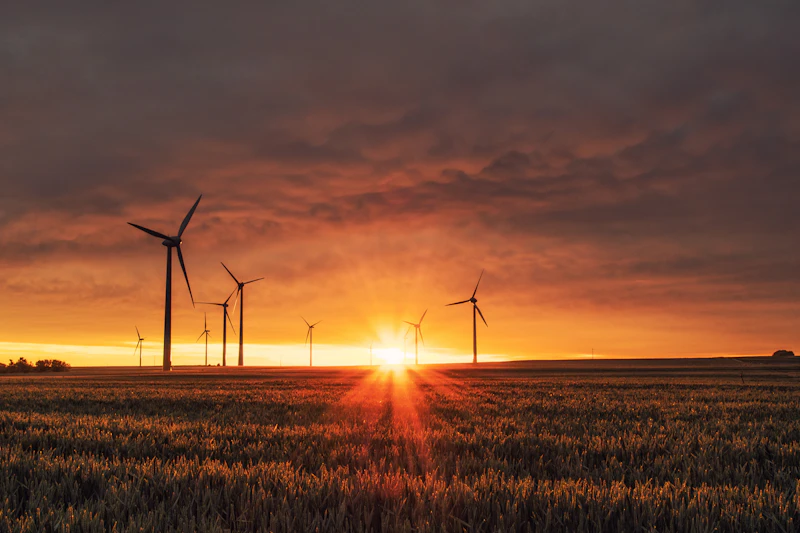
The administration has leaned heavily into offshore wind and solar initiatives, viewing them as essential tools for meeting the state’s aggressive carbon-neutrality goals. However, the path to implementation has been far from smooth. Supply chain disruptions, high interest rates, and the withdrawal of several major developers from previous contracts have forced the state to renegotiate deals at higher price points. These fiscal adjustments are eventually passed down to the consumer, leading to a growing sense of unease among residents who are already grappling with a high cost of living. For the Governor, the challenge lies in convincing the public that these short-term financial pains are necessary investments for long-term energy independence and price stability.
Beyond the logistical hurdles, the Governor must also manage a diverse array of stakeholders with competing interests. Environmental advocates are pushing for an even faster move away from natural gas, while labor unions and industrial sectors express concerns about job security and the reliability of the power grid during peak winter months. This delicate balancing act is further complicated by the political optics of utility rate hikes. Every increase in a monthly heating or electric bill serves as a potential talking point for political opponents, who argue that the administration's climate agenda is out of step with the financial realities of middle-class families.
The upcoming reelection effort will likely serve as a referendum on this energy strategy. To maintain her momentum, the Governor will need to demonstrate tangible progress—not just in the form of signed contracts and ribbon-cutting ceremonies, but in visible relief for ratepayers. The administration is currently exploring various subsidies and assistance programs to mitigate the impact of the transition, but the effectiveness of these measures remains to be seen. In a state that prides itself on being a laboratory for progressive policy, the stakes are high. If the Governor can successfully bridge the gap between climate goals and consumer affordability, she may set a blueprint for other coastal states. If the costs continue to escalate without a clear benefit to the average citizen, the energy sector could become the primary obstacle to her continued political success.
Ultimately, the narrative of the next campaign will not just be about the environment, but about the government’s ability to manage a massive industrial overhaul without leaving the most vulnerable behind. As energy politics become more volatile, the Governor's ability to communicate a nuanced, inclusive vision will be her most critical asset. The transition to a greener Massachusetts is no longer just a policy goal; it is a political crucible that will test the resilience of her leadership and the patience of the electorate.
No comments:
Post a Comment